
 EN
EN  English
 Español
 عربى
عربى-
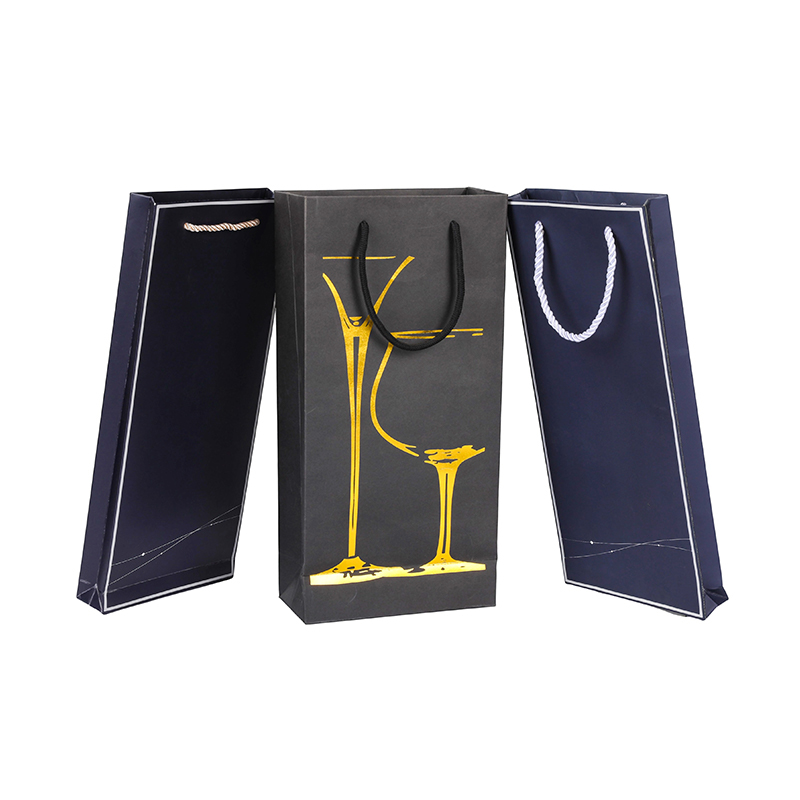 Custom Branded Wine Glass Gift Paper Carry Bag
-
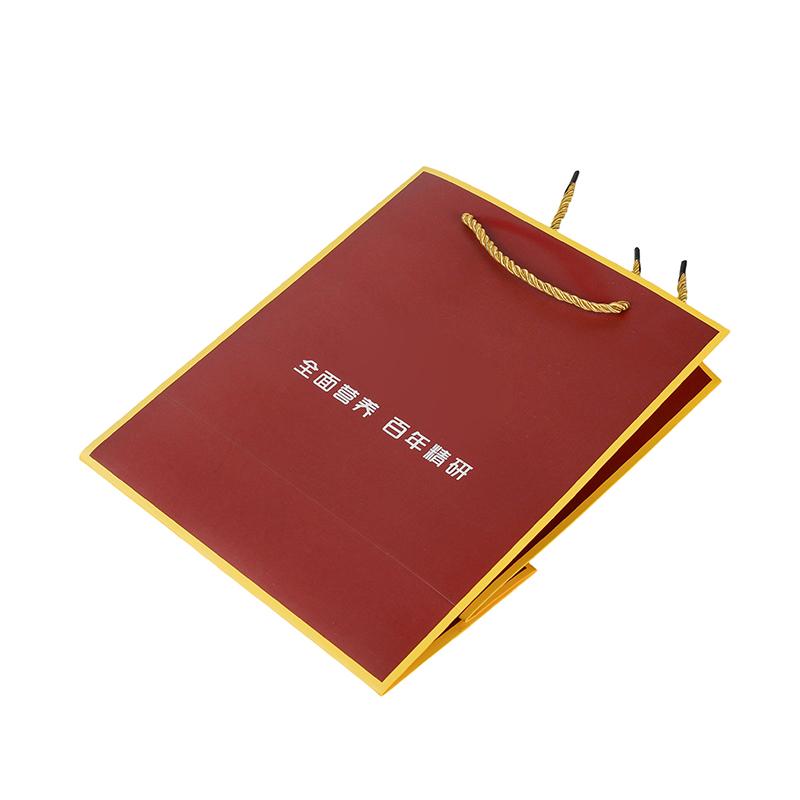 Custom Food-Grade CMYK Printed Kraft Paper Carry Bag
-
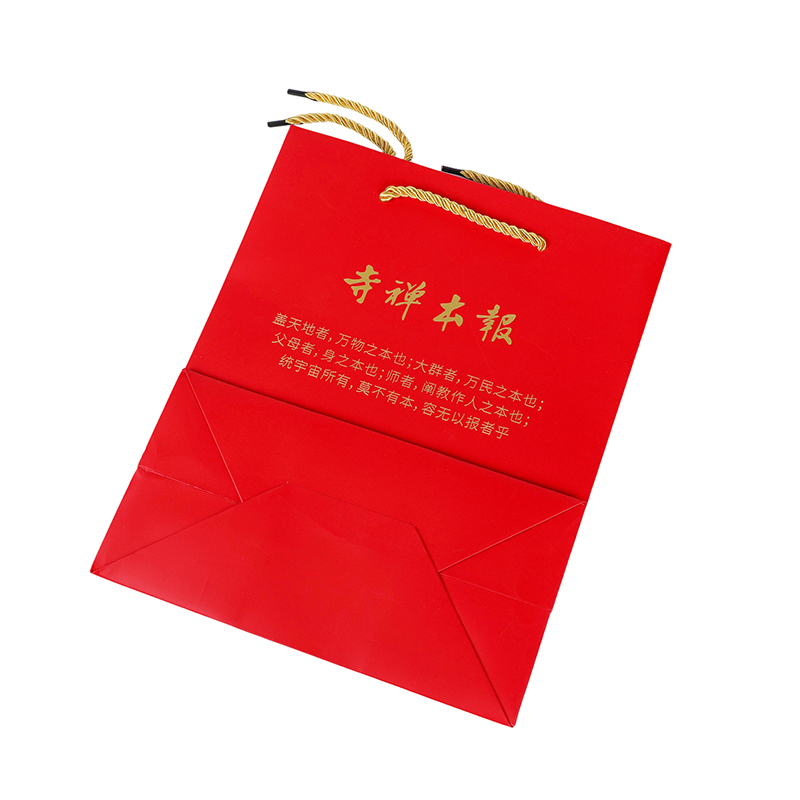 Multi-Functional HD Printed Corrugated Paper Carry Bag
-
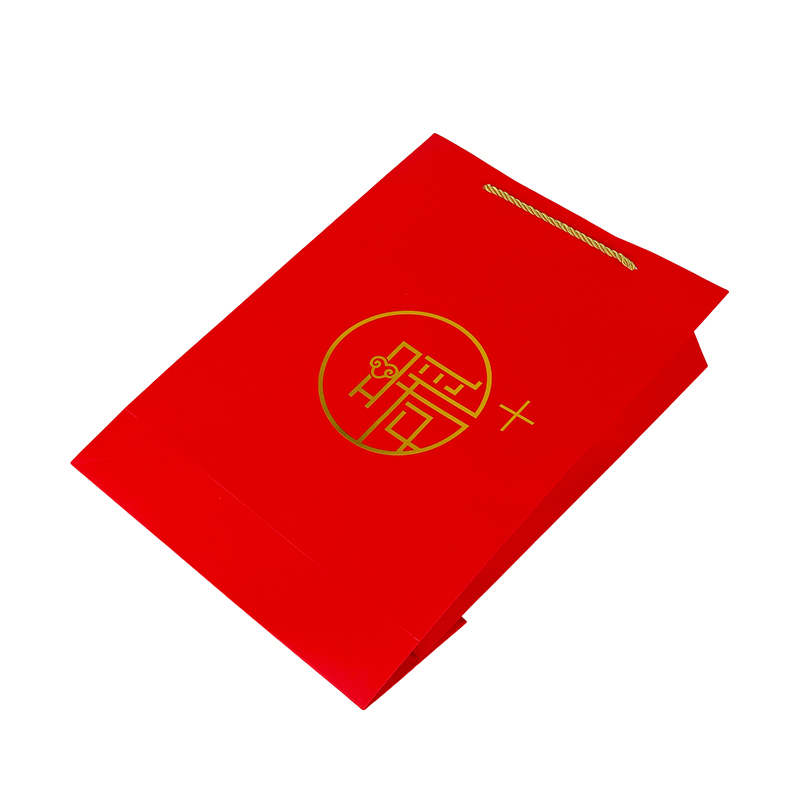 Metallic Accents Luxury Foil-Stamped Custom Paper Carry Bag
-
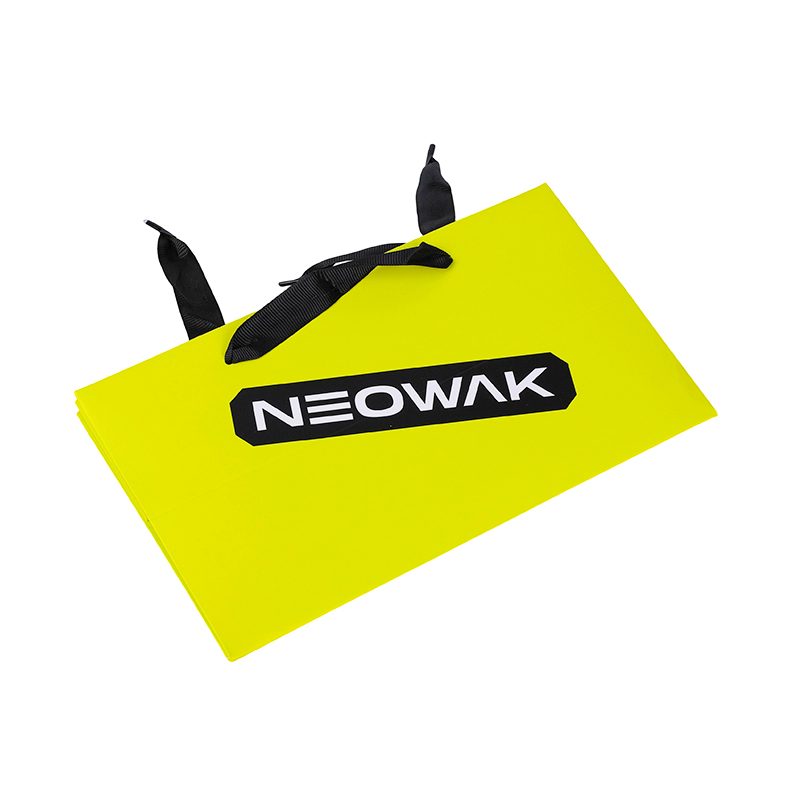 Custom Branded Packaging for Apparel Retail Paper Carry Bag
-
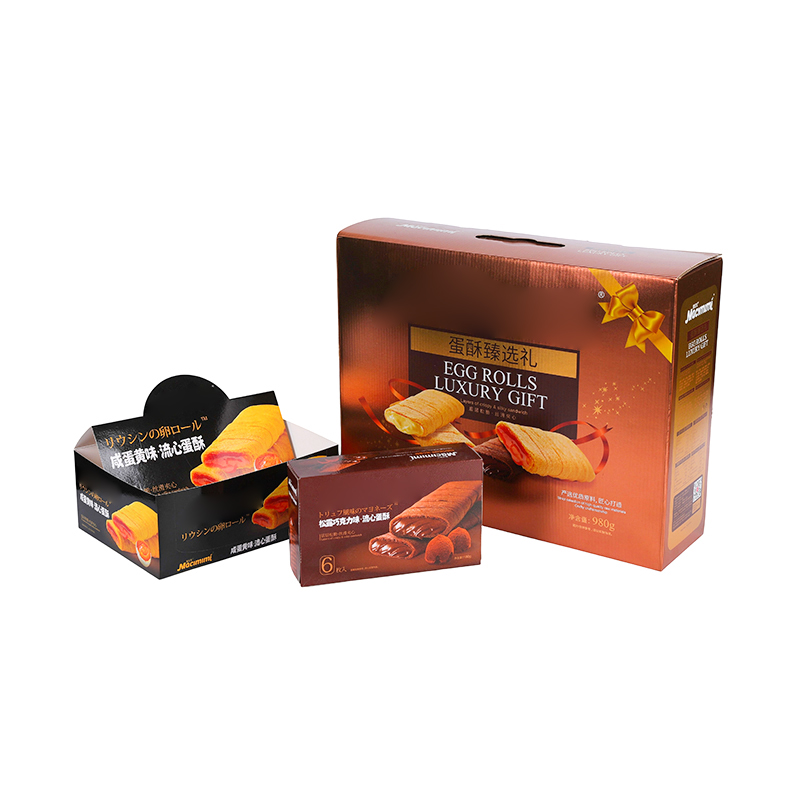 Egg Rolls Casket - Multi-Sensory Gift Gift Boxes
-
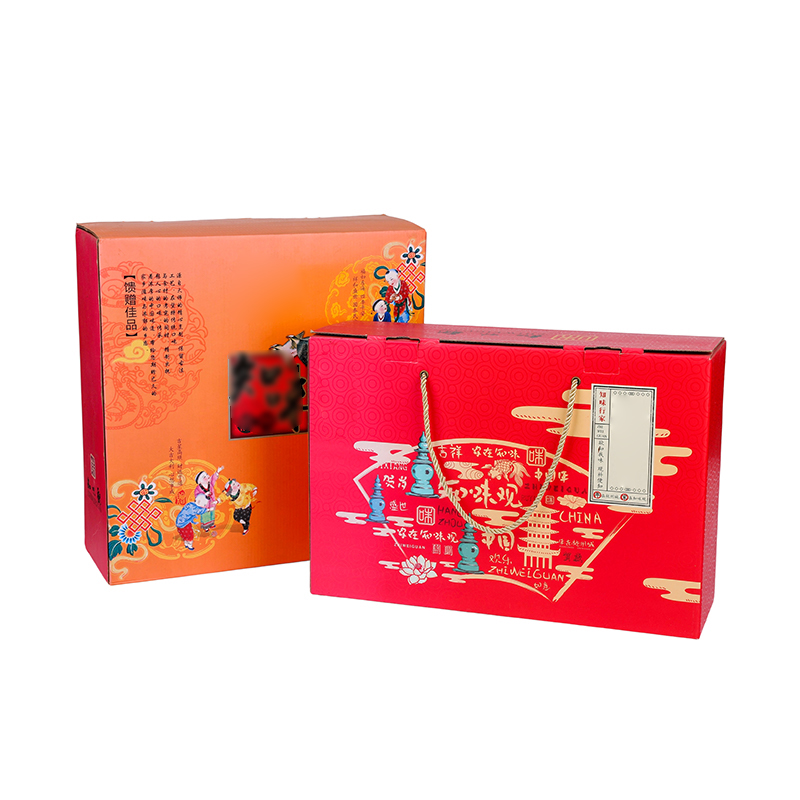 Chinese New Year Gift Set Custom Gift Boxes
-
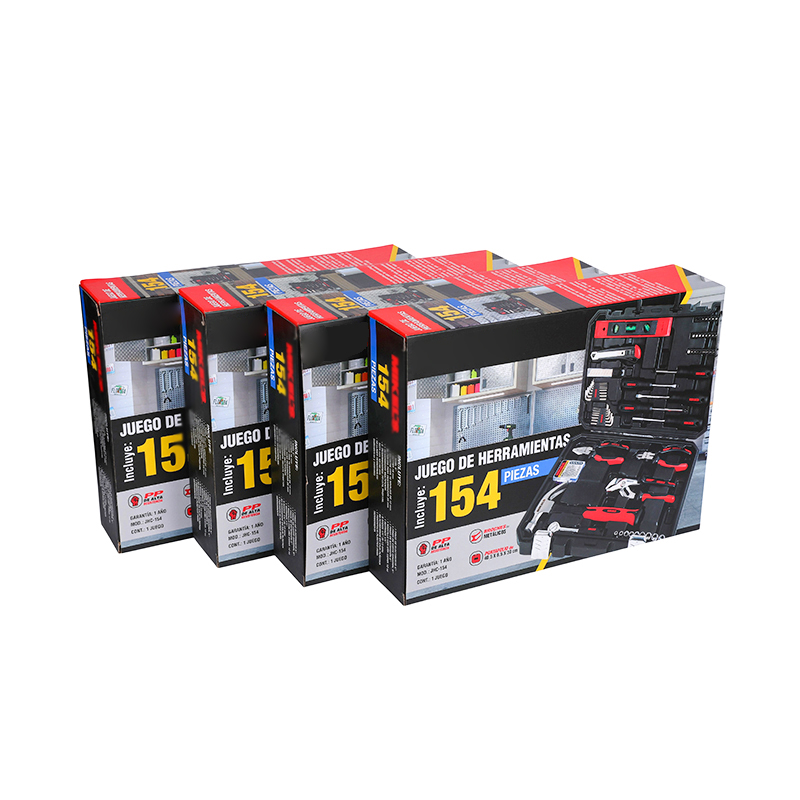 Tool System Packaging Carton - Industrial-Grade Modular Packaging with Smart Tracking
Common Packaging Printing Methods?
-
Tel
+86-0573-87621241
-
Fax
+86-0573-87620826
-
Mobile
+86-15958384687
-
E-mail
2514851264@qq.com
Follow
Quick Links
Factory Address
No. 10, 5th Road, Yanguan Town Industrial Park, Haining City, China
If You Have Any Query
Send Message
Copyright © Haining Chuangmei Packing Printing Co., Ltd. All Rights Reserved.
